
Author Larry Kane and Backbeat Books are proud to announce the return of the Beatles’ classic. In Print and Available Now!
The one-of-a-kind exclusive “Ticket to Ride”
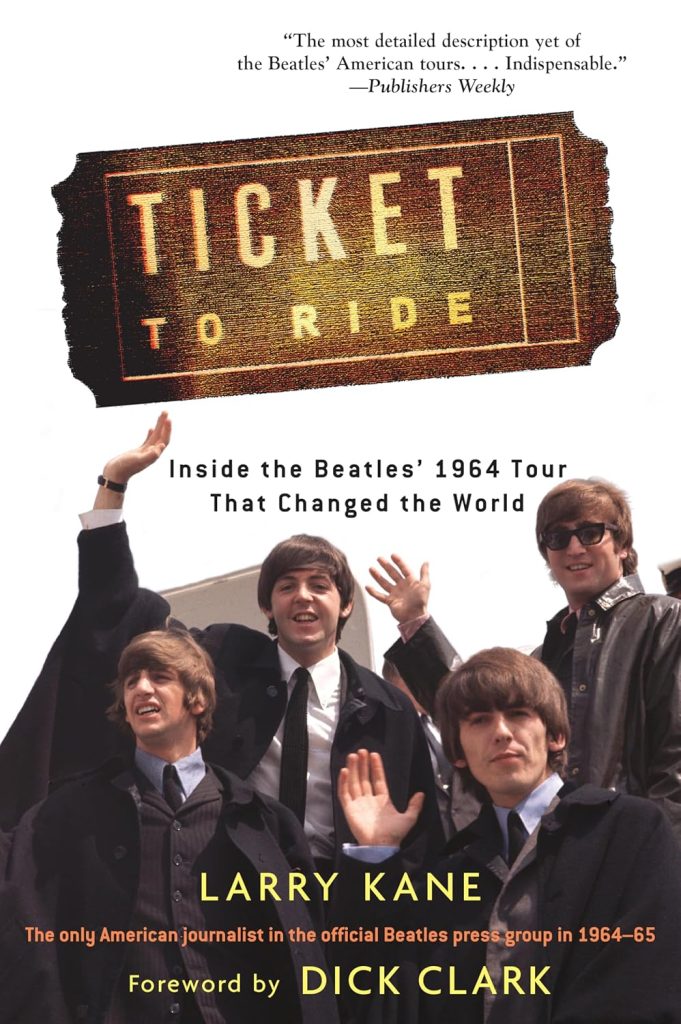
This book and Larry’s presence was used to help shape Ron Howard and White Horse Pictures 2017 film classic, “Eight Days a Week”.
© 2025 Dynamic Images, Inc.
Larry Kane—the only American Broadcast Journalist to travel to every stop on The Beatles’ Tours that Changed the World in 1964 and 1965!
Publishers Weekly — “The most detailed description yet of the Beatles’ North American Tours… Indispensable.”
A new paperback edition with a digital link to a sampling of interviews with John, Paul, George and Ringo.
INCLUDES DOWNLOADABLE ORIGINAL AUDIO INTERVIEWS WITH LARRY KANE AND THE BEATLES IN 1964
Order Direct – exclusively from:
The Fest for Beatles Fans at TheFest.com
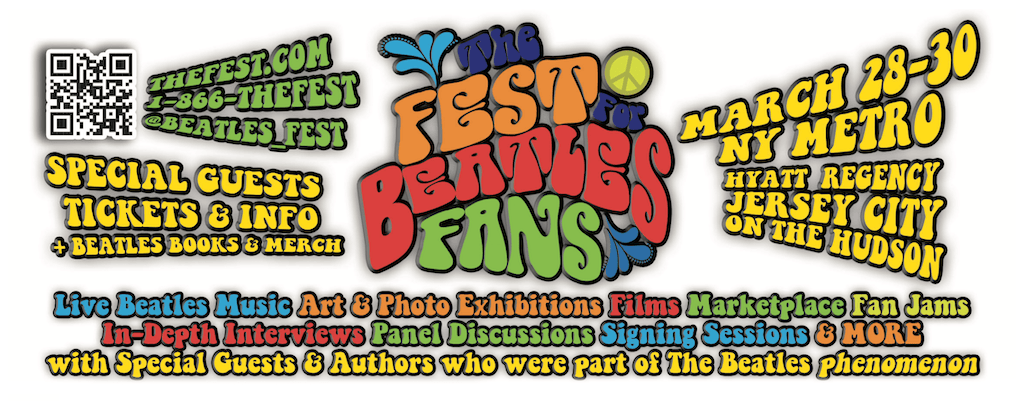
Larry Kane will be at the 51st Annual
NY METRO FEST FOR BEATLES FANS
on Saturday, March 29th.